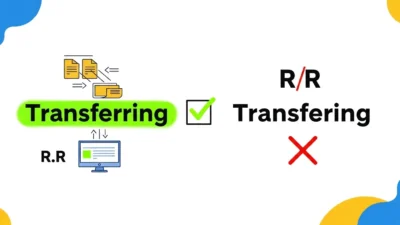

Many writers hesitate when choosing between seak vs seek because the words look similar and sound almost the same. However, only one of them is correct in standard English.
In this guide, you will learn the correct spelling, meanings, examples, common mistakes, and an easy trick to remember the difference. After reading, you will clearly understand why seek is correct and why seak should not be used.
Quick Answer: Seak vs Seek
Seek is the correct spelling.
Seak is a spelling mistake.
Correct examples:
- She wants to seek advice from a mentor.
- They plan to seek new opportunities.
Incorrect example:
- She wants to seak advice from a mentor. ❌
In proper English writing, always use seek.
What Does Seek Mean?
Seek is a verb that means to look for, try to obtain, or attempt to achieve something.
It often appears in formal or professional contexts.
Seek as “Look For”
Examples:
- The detective tried to seek the truth.
- Tourists seek new experiences when traveling.
- She decided to seek medical help.
Here, the word means searching or looking for something.
Seek as “Try to Achieve”
Seek can also mean trying to reach a goal.
Examples:
- The company hopes to seek new investors.
- He wants to seek better career opportunities.
In these cases, the word describes pursuing or attempting something.
Why “Seak” Is Incorrect
The spelling seak is simply a misspelling of “seek.”
English pronunciation sometimes causes confusion because the long “ee” sound can be spelled in different ways, such as:
- ee (see, seek)
- ea (sea, team)
Because of this, some people mistakenly write seak instead of seek.
However, dictionaries and grammar guides only accept seek.
Seak vs Seek: Comparison Table
| Word | Correct? | Meaning |
|---|---|---|
| Seek | ✔ Yes | To search for or try to obtain |
| Seak | ✘ No | Misspelling |
Whenever you want to express searching, pursuing, or trying to obtain something, use seek.
Examples of Seek in Sentences
Here are some practical examples showing how the word is used.
Everyday Situations
- If you feel unwell, seek medical advice.
- Students often seek guidance from teachers.
Professional Context
- The company plans to seek international partnerships.
- The organization will seek donations for charity.
Personal Development
- Many people seek happiness and success.
- He traveled abroad to seek new opportunities.
These examples show how versatile the word seek can be.
Common Mistakes with Seek
Let’s look at typical errors writers make.
Mistake 1: Writing Seak
❌ They will seak help from experts.
✔ They will seek help from experts.
Mistake 2: Confusing Similar Sounds
Words like sea, team, and meat use ea, which can cause people to assume “seak” is correct.
However, the correct spelling uses ee.
Mistake 3: Typing Quickly
Many spelling mistakes happen during fast typing. Proofreading helps catch them.
Memory Trick to Remember the Correct Spelling
Here is a simple trick.
Think of the phrase:
“Seek and you shall find.”
This famous saying helps reinforce the correct spelling.
Another tip:
Seek = See + k
You see something you are searching for.
This connection makes the spelling easier to remember.
Similar Words with the “EE” Sound
Several English words use ee to represent the long “ee” sound.
Examples:
- See
- Seek
- Need
- Green
- Speed
Because seek follows the same pattern, it uses ee instead of ea.
American vs British English
There is no spelling difference between American and British English.
Both use:
✔ Seek
The spelling seak is considered incorrect everywhere.
Frequently Asked Questions
Is “seak” a real word?
No, it is considered a spelling mistake in standard English.
What does seek mean?
Seek means to search for, pursue, or attempt to obtain something.
Is seek formal or informal?
It is often used in formal or professional contexts.
What is the past tense of seek?
The past tense is sought.
Example: She sought help from a doctor.
Is there a difference between US and UK spelling?
No, both use the same spelling: seek.
Can seek be used in everyday conversation?
Yes, although it often sounds slightly more formal than “look for.”
Final Summary: Seak vs Seek
The difference between seak vs seek is simple. Seek is the correct spelling and means to search for, pursue, or attempt to obtain something. Meanwhile, seak is a common spelling mistake caused by confusion with similar vowel sounds.
Because English uses different letter combinations for the same sound, mistakes can happen easily. However, remembering the phrase “seek and you shall find” makes the correct spelling easier to recall.
Actionable Takeaway
Before publishing your writing, quickly scan for the word seak. If you see it, correct it to seek to keep your spelling accurate and professional.