If you’ve ever described someone who loves food, you’ve probably paused and wondered: is it “foody” or “foodie”? It’s a small spelling difference, but it can make your writing look either polished or a bit off.
Whether you’re writing a blog, captioning a social media post, or describing your love for delicious meals, getting this right matters.
In this guide, we’ll break down foody vs foodie, explain the correct usage, share examples, and help you avoid common mistakes with confidence.
Quick Answer
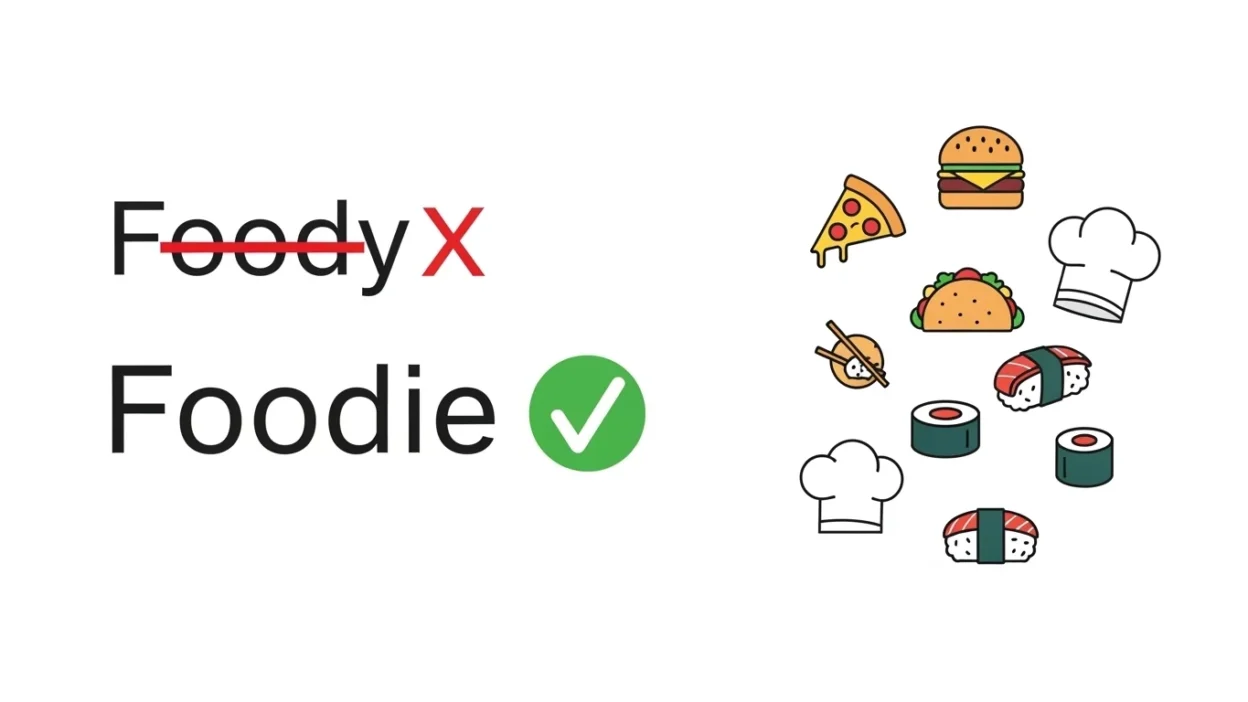
- ❌ Foody is nonstandard and rarely correct
- ✅ Foodie is the correct and widely accepted spelling
- Always use foodie when referring to someone who loves food
What Does “Foodie” Mean?
The word foodie is a noun used to describe a person who has a strong interest in food, especially enjoying, exploring, or reviewing different cuisines.
Core meanings:
- A food lover
- Someone passionate about eating and cooking
- A person who enjoys trying new dishes and flavors
Examples:
- She’s a true foodie who loves exploring new restaurants.
- As a foodie, he documents every meal on social media.
- This city is perfect for any foodie.
LSI keywords and related phrases:
- food lover
- culinary enthusiast
- gourmet fan
- gastronomy lover
- restaurant explorer
- cuisine enthusiast
These help boost SEO while keeping your content natural and engaging.
What Is “Foody”? Is It Ever Correct?
The term “foody” does appear occasionally, but it is considered nonstandard and less accepted.
Why “foody” exists:
- Alternative spelling attempts
- Informal or creative usage
- Personal or brand preference
However, in most cases:
- ❌ Foody → Incorrect or nonstandard
- ✅ Foodie → Correct and preferred
Important note:
While some brands or usernames may use “foody,” it is not recommended for professional or formal writing.
Foody vs Foodie: Side-by-Side Comparison
| Feature | Foody ❌ | Foodie ✅ |
|---|---|---|
| Validity | Nonstandard | Standard English |
| Meaning | Same intended meaning | Food lover |
| Usage | Rare, informal | Widely accepted |
| Popularity | Low | High |
| Example | ✖ She’s a foody | ✔ She’s a foodie |
Why “Foodie” Is the Correct Form
The word foodie follows a common English pattern where “-ie” is added to create a noun describing a person.
Word formation:
- food + ie → foodie
Similar examples:
- movie → movie buff
- tech → techie
- selfie → person taking selfies
👉 The “-ie” ending often adds a friendly, informal tone, making it perfect for describing people with interests or hobbies.
Memory trick:
👉 Think: “Food lover = foodie, just like tech lover = techie”
How to Use “Foodie” Correctly
The word foodie is widely used across different contexts.
1. Social media
- I’m such a foodie—I love trying new dishes!
- Calling all foodies in the city!
2. Blogs and content writing
- This guide is perfect for every foodie.
- A must-visit destination for foodies.
3. Conversations
- She’s a big foodie and knows all the best spots.
4. Marketing and branding
- Designed for modern foodies.
- A paradise for street food foodies.
Tip:
Use foodie to create a relatable and engaging tone.
Common Mistakes to Avoid
When dealing with foody vs foodie, here are the most common errors:
1. Using “foody” in formal writing
- ❌ He is a foody
- ✅ He is a foodie
2. Assuming both are equally correct
Only foodie is widely accepted.
3. Inconsistent spelling
Stick to one form—preferably foodie.
4. Overusing slang variations
Avoid unnecessary variations like “foodi” or “foodee.”
Foody vs Foodie in Branding and Online Use
You might still see “foody” used in:
- Instagram usernames
- Blog names
- Brand identities
Why brands use “foody”:
- Availability of usernames
- Unique branding
- Creative expression
However, for SEO, clarity, and credibility, “foodie” remains the better choice.
American vs British English Differences
There is no difference between American and British English here.
- ✅ Foodie is correct in both
- ❌ Foody is considered nonstandard in both
Key takeaway:
Use foodie globally without hesitation.
Synonyms and Alternatives for “Foodie”
To make your writing richer, try these alternatives:
Casual and friendly:
- food lover
- foodie enthusiast
- foodie fan
More formal:
- culinary enthusiast
- gastronomy lover
- gourmet explorer
Creative tone:
- flavor explorer
- taste adventurer
Examples:
- Foodie → Culinary enthusiast
- Foodie → Food lover
These variations improve engagement and SEO performance.
Real-Life Usage Examples
Here’s how foodie naturally appears in everyday language:
Travel:
- This destination is a dream for any foodie.
Social media:
- A foodie’s guide to the best street food.
Lifestyle:
- Being a foodie means appreciating every flavor.
Reviews:
- Every foodie should try this restaurant.
These examples show its versatility and popularity.
FAQs About Foody vs Foodie
Is “foody” a real word?
It exists informally but is not considered standard English.
What is the correct spelling?
The correct spelling is foodie.
What does “foodie” mean?
It refers to someone who loves food and enjoys exploring cuisines.
Can I use “foody” in casual writing?
You can, but it’s better to use foodie for clarity and correctness.
Is “foodie” formal or informal?
It is informal but widely accepted in modern English.
Is there a British vs American difference?
No, both use foodie.
Why is “foodie” more popular?
Because it follows common English word patterns and is widely recognized.
Can “foodie” be used professionally?
Yes, especially in lifestyle, travel, and food-related content.
Summary:
The difference between foody vs foodie comes down to correctness and usage. Foodie is the standard, widely accepted term used to describe someone who loves food, while foody is a nonstandard variation that should generally be avoided.
Using the correct spelling not only improves your writing but also builds credibility, especially in blogs, marketing content, and professional communication. It’s a small detail that makes a big impact.
Actionable Takeaway
Here’s your simple rule:
👉 Always use foodie in your writing
Before publishing or posting, double-check your spelling. Choosing the correct form ensures your content looks polished, trustworthy, and SEO-friendly.

Fenwick Quentin is a creative blogging author known for his analytical yet engaging writing style.
He explores topics such as innovation, digital culture, and personal development with depth and clarity.
Through his articles, Fenwick encourages readers to think critically and embrace continuous growth.